
Unveiled: Trump's Secret Lobbying Efforts for Sugar Cane Industry
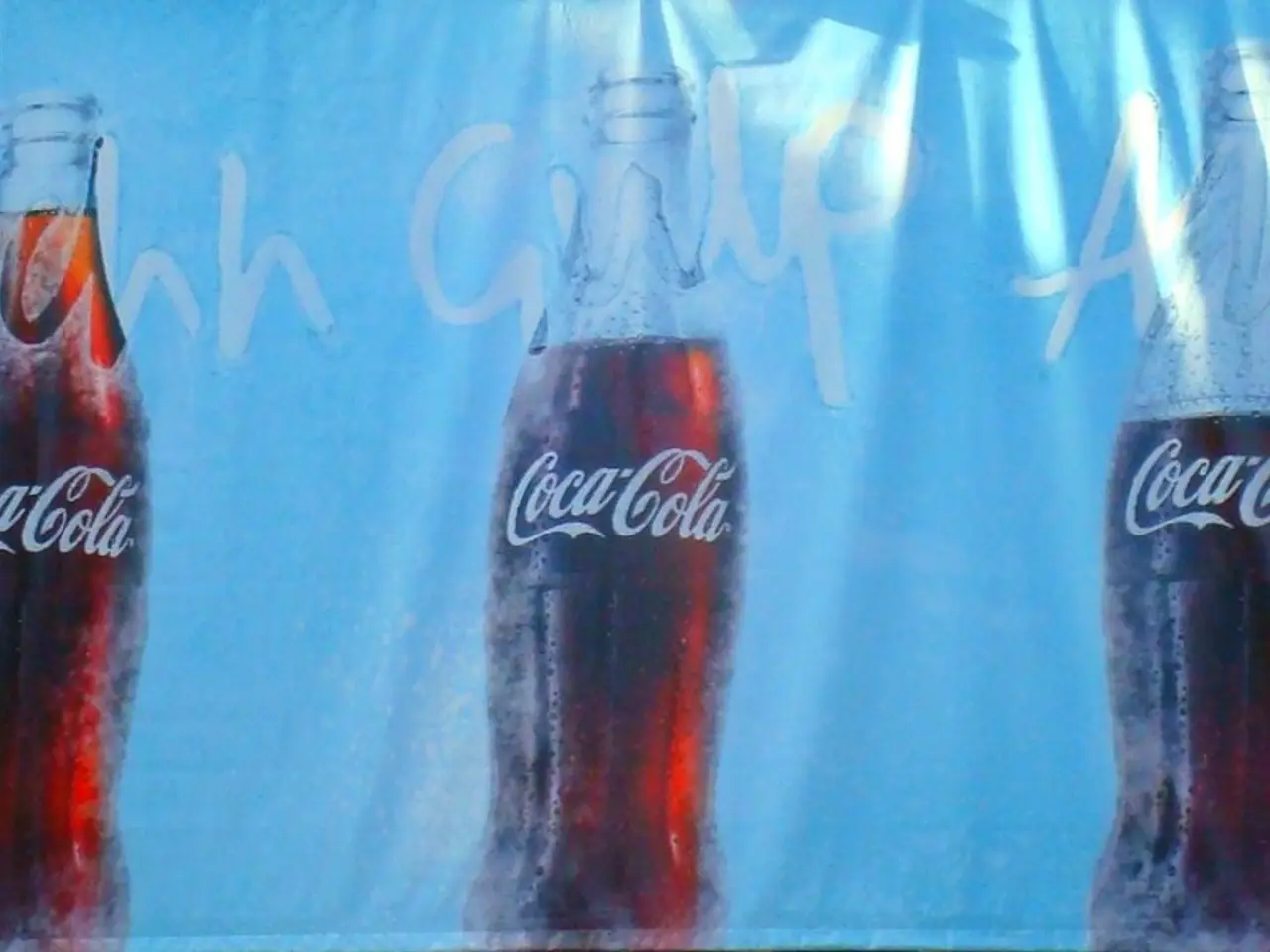
In a bid to promote what he considers a healthier food product, U.S. President Donald Trump has advocated for Coca-Cola to use cane sugar instead of high-fructose corn syrup (HFCS) in its U.S. products.
Trump's initiative, part of his "Make America Healthy Again" initiative, aims to encourage the use of purer and healthier ingredients. He has publicly stated that Coca-Cola has agreed to introduce a cane sugar variant in the United States, following discussions with the company.
Potential Implications for Coca-Cola
Coca-Cola has confirmed that it will launch a new cane sugar-sweetened variant in the U.S., complementing but not replacing its existing HFCS-sweetened products. The company has expressed appreciation for Trump’s enthusiasm but has only confirmed a new product variant rather than a full switch.
Cane sugar versions have been successful in other markets and in niche U.S. offerings like Mexican Coke and kosher Passover editions. The new variant is expected to be available in the fall.
Impact on the U.S. Agriculture Industry
The shift towards cane sugar may have significant effects on the U.S. agriculture industry. Increasing demand for cane sugar could diversify sweetener sourcing beyond HFCS, which is derived from corn. This could potentially affect corn processors and markets, as evidenced by stock price fluctuations in corn processors due to Trump's advocacy.
Promoting cane sugar use might benefit sugarcane growers and related industries by increasing demand domestically. However, nutrition experts note that cane sugar and HFCS are very similar nutritionally, with similar calorie content and health risks. Therefore, the move is seen more as a marketing and political push rather than a major public health improvement.
The Controversy Continues
The relationship between Trump and Coca-Cola has been strained due to political disagreements in the past. Trump's preference for "Diet Coke," which contains artificial sweeteners, contrasts with his advocacy for cane sugar. Additionally, Coca-Cola will continue to use corn syrup in its drinks in the U.S., despite Trump's endorsement of cane sugar.
The Corn Refiners Association has criticized Trump's push for cane sugar-sweetened products, arguing it would cost jobs, depress farm incomes, and increase imports of foreign sugar. On the other hand, the news about the cane sugar-sweetened drink had a temporary negative impact on Archer-Daniels-Midland's stock, a large corn syrup producer.
Coca-Cola's stock was not apparently affected by the news about the introduction of a cane sugar-sweetened drink. The company's stock price has been influenced by various factors, including economic conditions, consumer preferences, and market trends.
The Global Soft Drink Market
The U.S. soft drink market was valued at approximately $169.6 billion in 2024, and it is projected to grow to $246.9 billion by 2032. The global market for soft drinks is vast and diverse, with key growing countries for sugar cane including Brazil, India, China, Thailand, Mexico, and Australia.
Sugar beets are most suitable for temperate climate zones, with the U.S., Germany, and France producing roughly equal amounts of sugar beets, and Russia being the largest producer. In contrast, sugar cane is primarily grown in tropical and subtropical regions.
Studies have shown a correlation between increased HFCS consumption and obesity in the U.S. since the 1970s. However, professional societies, including the WHO, AMA, and EFSA, attribute obesity to overall increased calorie intake, not specific types of sugar.
In conclusion, Trump’s push for cane sugar in Coca-Cola aims to encourage what he claims is a healthier ingredient and supports U.S. sugar producers. The move has sparked product innovation at Coca-Cola and market reactions in the agriculture sector. However, the actual health benefits between cane sugar and corn syrup remain minimal.
- Trump's policy-and-legislation regarding the use of cane sugar in Coca-Cola's U.S. products is part of his general-news initiative 'Make America Healthy Again'.
- Businesses in the food-and-drink sector, such as Coca-Cola, may face changes in their lifestyle and finance strategies due to policy-and-legislation changes.
- The increase in demand for cane sugar could have significant implications for the agriculture sector and specifically, those involved in the business of corn production.
- Politics and business often intersect, as seen in the controversies surrounding Trump's advocacy for cane sugar over high-fructose corn syrup in Coca-Cola's products.




