
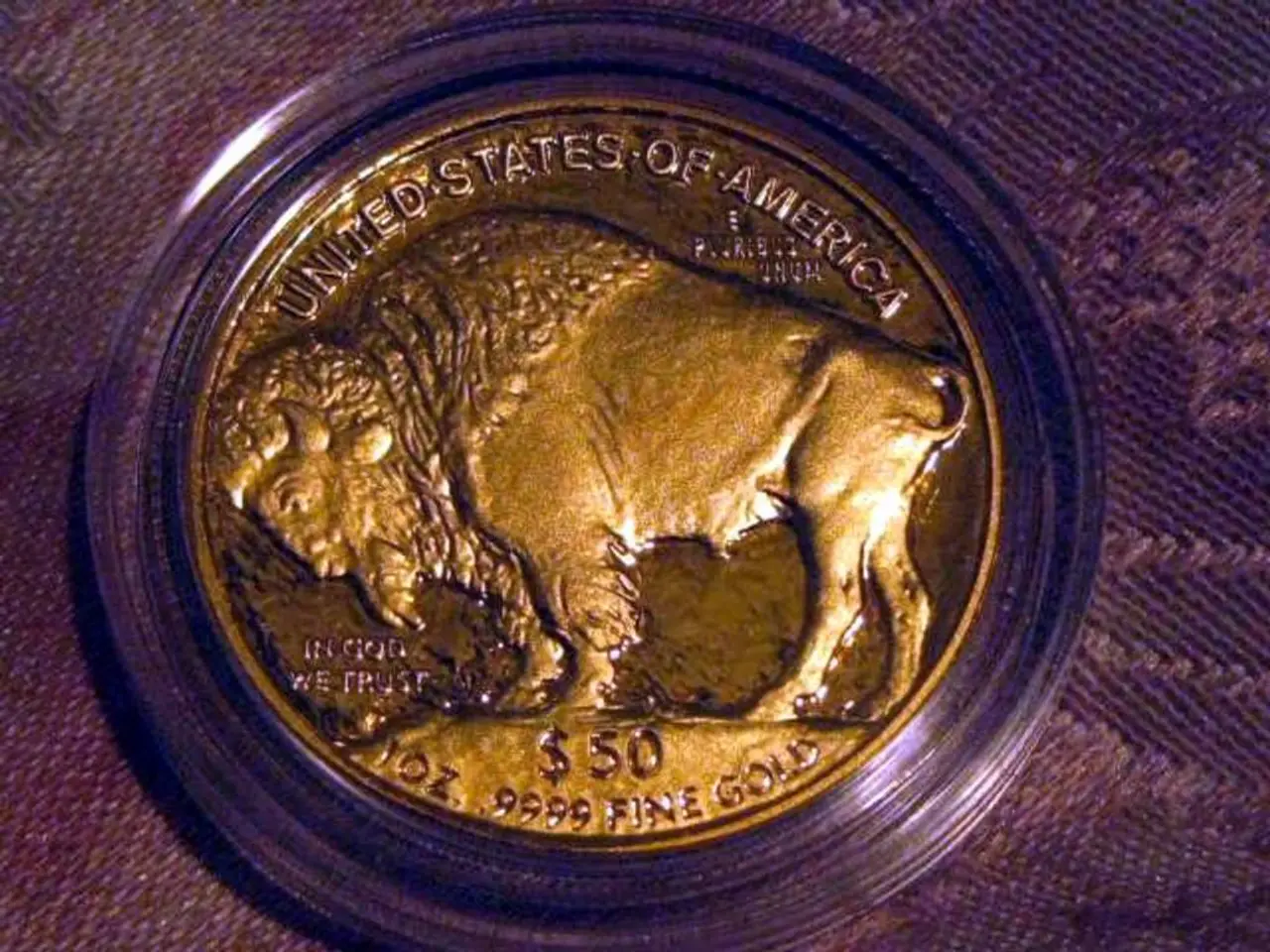
U.S. currency experiences a downturn as financial experts anticipate further interest rate reductions following a disappointing employment report.
The U.S. dollar experienced a significant drop against major currencies following the release of the July jobs report, which showed much weaker job growth than anticipated. The report revealed that only 73,000 jobs were created, and there were significant downward revisions for prior months.
Initially, the U.S. dollar fell sharply against the Japanese yen and the euro, losing about 2% against the yen and 1.5% against the euro on the day of the report. The weaker jobs data increased market expectations for imminent Federal Reserve interest rate cuts, which weighed on the dollar.
Following the initial drop, the dollar partially recovered against the yen, rising about 0.14% to 147.60 yen, but it still remained about 3 yen below its pre-report peak. The dollar also edged slightly higher by 0.2% against a basket of currencies after its steep slide.
President Trump's decision to fire the commissioner of the Labor Department's Bureau of Labor Statistics following the weaker than expected jobs data and downward revisions added to the uncertainty surrounding U.S. monetary policy. Additionally, the sudden resignation of Fed Governor Adriana Kugler fueled further uncertainty.
In response to the jobs report, traders are now pricing in 63 basis points of rate cuts by year-end, up from around 34 basis points on Thursday, with the first cut seen in September. This expectation of rate cuts continues to weigh on the U.S. dollar.
In other news, the Canadian dollar strengthened against the greenback after Canada was hit with a 35% tariff instead of the threatened 25%. This development boosted the Canadian dollar, with the exchange rate reaching C$1.38 per dollar.
Looking ahead, the August jobs data will be released on September 5, and the Fed is due to meet on September 16-17. The market will closely watch these events to gauge the direction of U.S. monetary policy and its potential impact on the U.S. dollar.
According to Jonas Goltermann, deputy chief markets economist at Capital Economics, the dollar is likely to weaken in a recession scenario. The current uncertainty surrounding U.S. job growth and the potential for Federal Reserve rate cuts suggests that the U.S. dollar may face continued volatility in the coming months.
- The weaker jobs data and the ensuing market expectations of Federal Reserve interest rate cuts have significantly impacted the finance sector, as traders are now pricing in 63 basis points of rate cuts by year-end, up from around 34 basis points on Thursday.
- The unexpected decision made by President Trump, such as firing the commissioner of the Labor Department's Bureau of Labor Statistics, adds to the political uncertainties that can affect business, monetary policy, and, consequently, foreign exchange trading.
- In light of the current volatile U.S. dollar and the potential for recession as suggested by Jonas Goltermann, investors would be wise to monitor general-news sources for updates on core economic indicators like jobs reports and monetary policy decisions, as such information can have a substantial impact on the finance and trading industries.




