
Skyrocketing Inflation Reaches 11.8% in June
In June 2025, consumer inflation rates increased in key economies, with the Euro area and the United States seeing notable rises. The Euro area's annual inflation rate climbed to 2.0%, up from 1.9% in May, while the US consumer inflation rate stood at 2.4% year-on-year, a slight increase from previous months.
The primary drivers of inflation in the Euro area included services, food, alcohol & tobacco, non-energy industrial goods, and energy. Services saw the highest annual inflation rate at 3.3%, up from 3.2% in May. Food, alcohol & tobacco inflation was 3.1%, slightly down from 3.2% in May. Non-energy industrial goods inflation slowed slightly to 0.5% from 0.6%, and energy deflation improved to -2.7% compared to -3.6% in May, easing downward pressure on overall inflation.
In the United States, key inflation components included services inflation at 3.7%, food inflation approximately 2.8%, energy inflation deflation at -3.7%, and rent inflation, a significant contributor at 4.0%. The renewed wave of trade tariffs since early 2025 has caused prices for imported goods to rise, pushing up prices for specific food and non-food goods, especially imported items.
On a more specific level, among non-food items in the Euro area, energy-saving light bulbs increased by 63.2%, while in the United States, blood pressure monitors increased by 47.7%. Non-food items rose by 9.4% year-on-year in June 2025, with laptops, kitchen stoves, water filter jugs, and contact lens solution experiencing significant price hikes.
In the Euro area, housing rental costs increased by 12.7% in the paid services sector, while outpatient care saw a rise of 45.6%. In the United States, recreation services increased by 63.6%. The contribution of paid services to overall inflation was nearly 40%, or 4.6 percentage points of the 11.8% total in the Euro area.
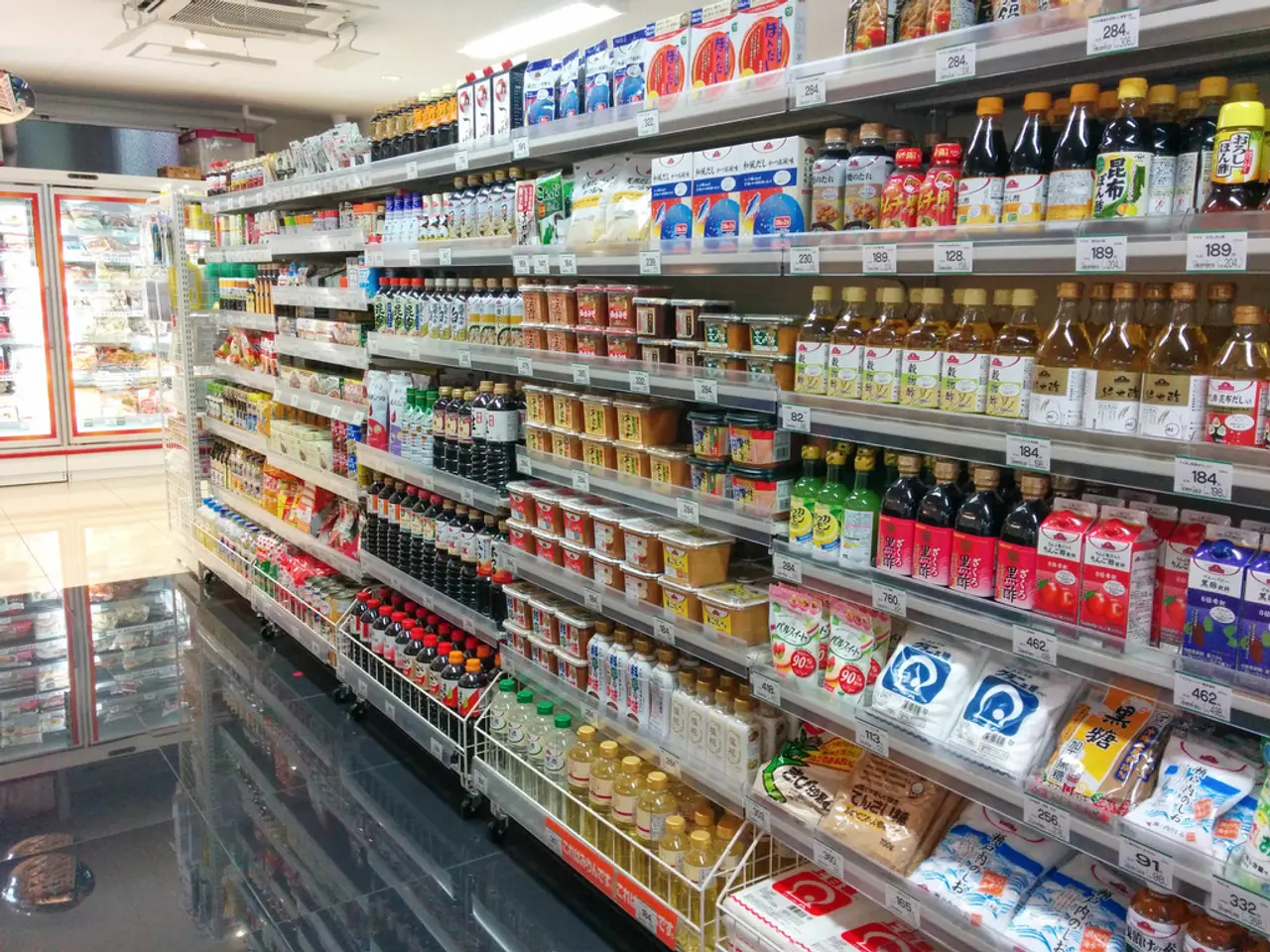
Food prices also saw a significant increase, with the Euro area's food inflation around 3.1%. In the United States, the largest price increases for food were recorded in onions (+90.2%), cabbage (+67.4%), lemons (+58.0%), potatoes (+54.9%), carrots (+36.3%), and whole bean coffee (+30.9%). However, prices for some food items, such as buckwheat and rice, decreased in June 2025.
Utility tariffs also showed significant increases, with cold water rising by 96.3%. Despite these increases, energy prices continue to decline, albeit at a slower rate, providing some relief from overall inflation.
In summary, the June 2025 inflation increase is primarily driven by rising service prices and food inflation, with some easing from energy price deflation. Trade tariffs and restrictions have significantly contributed to inflation in specific non-food imported goods, especially in the US, raising prices for vehicles, steel, and other industrial inputs. The share of non-food items slightly decreased, while the share of food in overall inflation grew significantly.
In the context of the given text, here are two sentences that contain the words 'finance' and 'economy':
- The renewed wave of trade tariffs since early 2025 has caused prices for imported goods to rise, potentially impacting the finance and economy of countries reliant on imports, especially in the case of specific food and non-food goods.
- In the Euro area, housing rental costs, a significant component of the economy, increased by 12.7% in the paid services sector, contributing to overall inflation.




