
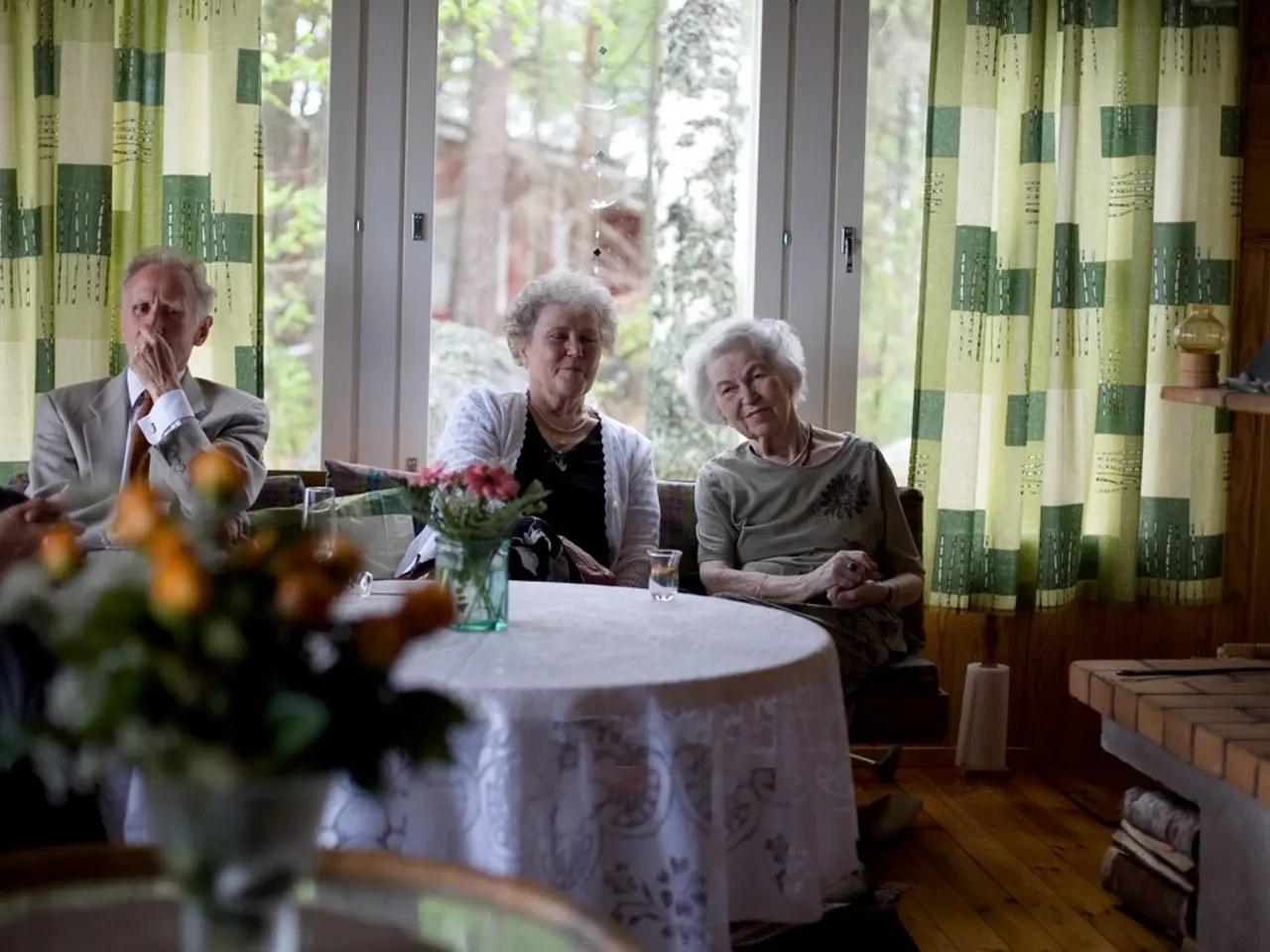
Readers of MOPO assert that the "Boomer-Soli" is a substantial problem
The "Boomer Soli" proposal, a suggested special levy on retirement income of higher-income pensioners, has become a contentious topic in the ongoing German pension debate. The aim of this levy is to help stabilize Germany's pension system without increasing the financial burden on younger generations, while reducing old-age poverty and supporting low-income retirees.
According to a study by the German Institute for Economic Research (DIW Berlin), key features of the proposal include a 10% levy on retirement income above an allowance of about €1,000 per month. This would affect approximately the top 20% of pensioner households, reducing their net equivalent income by around 3-4%. The additional revenue generated would be used to increase statutory pension income for the bottom 20% of pensioners, potentially raising their incomes by 10-11%. If implemented, the poverty risk rate among elderly people could fall from about 18% to just under 14%.
Supporters of the "Boomer Soli" argue that it represents a fair approach to managing demographic challenges. They point out that the pension system has insufficient reserves and that the retirement of the baby boomer generation puts extra strain on pension finances. By avoiding placing the financial burden on younger workers, who are often required to pay higher contributions or taxes, it promotes solidarity, ensuring wealthier pensioners contribute moderately to support poorer elderly peers.
However, the proposal has faced criticism from various quarters. Some view the "Boomer Soli" as a punitive redistribution that discourages personal retirement savings. Critics argue it is a symbol of forced wealth redistribution disguised as "solidarity," which could undermine motivation for private provision. Others have expressed opposition to the idea that those who have worked hard and saved money are being punished.
Notable critics include Nora Baltodano, who suggests it's easier to ask civil servants to pay and freeze pensions, and Michael Redel, who proposes that civil servants should contribute to their pensions from 3,000 euros per month. Thomas Hirschbiegel, aged 66, has worked for over 48 years, often more than 10 hours a day and on weekends, and has paid a substantial amount into the German Pension Insurance Fund. He strongly opposes the idea that someone else should pay for his pension and has suggested working ten days a month or re-enlisting as a reserve soldier or helping out in his district office.
Others, such as Marina Klemens, a Boomer, and Michael Eger, have expressed concern about the proposal targeting retirees. Eger states that the real problem lies with those who receive a pension but never paid into it. Thomas Knobloch, a retiree, feels like a victim in the discussion about pension cuts.
Ulrike Scherf-Apel suggests a solidarity tax on the wealthy, not the Boomers, to address pension system issues. Frank Tofern proposes a policy that doesn't pit groups against each other, but fairly involves everyone in the burdens, and suggests different financing of the pension through different taxation.
In summary, the "Boomer Soli" remains a contentious issue in the German pension debate. While some argue it represents a fair approach to managing demographic challenges and protecting younger generations, others view it as a punitive redistribution that discourages personal retirement savings and targets hard-working retirees. The debate continues as policymakers seek a solution to stabilize the pension system and address elder poverty.
Sources: 1. DIW Berlin 2. Spiegel Online
The "Boomer Soli" proposal also raises concerns within the realms of politics and general-news, as it sparks discussions about the role of government in managing the pension system and its effects on various demographics. Furthermore, the concept of funding the pension system through a levy on wealthy individuals is considered by some as a more equitable alternative to the "Boomer Soli" proposal, generating debates about the most effective and fair strategies in managing Germany's financial affairs and ensuring social solidarity.




