
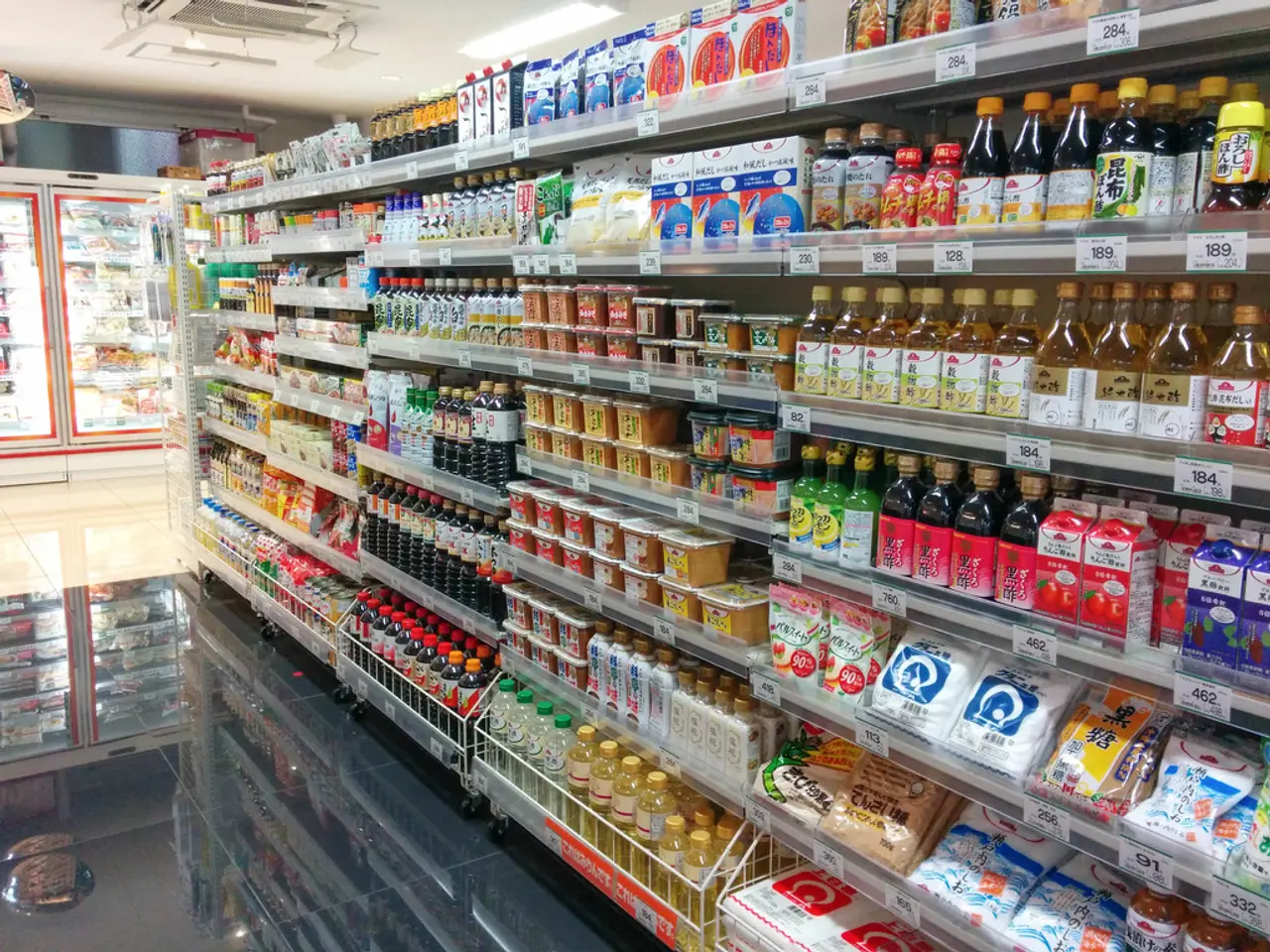
Larger food companies embrace compact product offerings to cater to contemporary buyers' preferences
**Shifting Trends in the Food Industry: The Rise of Micro-Packaging**
The food industry is experiencing a transformative period, with a growing emphasis on **micro-packaging** that caters to the evolving needs of consumers. This trend is driven by factors such as economic uncertainty, health consciousness, and the demand for innovative packaging solutions.
### Attracting New Customers and Reducing Inventory Risk
One of the key benefits of micro-packaging is its ability to attract new customers. By offering smaller, more affordable product sizes, brands provide an opportunity for consumers to try their products without committing to larger, potentially costlier options. This strategy encourages consumer familiarity, making them more likely to purchase larger sizes as their disposable income increases.
Moreover, micro-packaging helps brands manage inventory risks by reducing storage space requirements and enabling easier management. This approach also facilitates the testing of new products without significant investment in large-scale production.
### Appealing to Health-Conscious Consumers
Smaller portion sizes are increasingly appealing to health-conscious consumers who prefer smaller, more manageable portions. This trend aligns with the growing focus on reducing calorie intake while still engaging with preferred brands.
### Innovation and Sustainability
Innovation in micro-packaging includes the use of advanced materials like nanotechnology to improve barrier properties and extend shelf life, thereby reducing waste and promoting sustainable consumption. The industry is also embracing sustainable packaging materials such as compostable films and recyclable mono-materials to meet consumer demands for environmentally friendly products.
### Market Shifts and Competition
The consumer products industry is facing challenges as companies steadily lose market share to private-label brands, which have experienced significant growth. This shift isn't just about downsizing but repositioning, according to brand strategist Laura Burkemper.
Major food brands are adapting to this trend by offering smaller package sizes to win over customers. The report from EY suggests that without bold, focused investment, companies in the consumer products industry risk drifting into irrelevance.
### Case Studies
Examples of brands embracing micro-packaging include Campbell's, which has launched smaller packs of Goldfish, Snack Factory Pop'ums, and is also introducing multipacks of Cape Cod and Kettle chips, and Pepperidge Farm Cookies. Similarly, Mondelez International has reconfigured its chocolate portfolio to offer a broader range of sizes and price points.
Coca-Cola strategically introduced smaller package sizes, including the 7.5-ounce mini can, in the early 2000s to cater to more health-conscious and budget-conscious consumers.
In conclusion, micro-packaging represents a strategic move that helps brands attract new customers, reduce inventory risks, and support sustainability goals by reducing waste and offering more manageable portions. This trend is set to continue as the food industry adapts to the changing needs and preferences of consumers.
In the Food Industry's ongoing evolution, micro-packaging presents an opportunity to diversify a brand's financial portfolio by attracting new, budget-conscious clients, allowing them to sample products before investing in larger quantities. With micro-packaging, brands can strategically mitigate inventory risks, ensuring optimal product freshness by reducing storage space requirements and facilitating easier management.
As consumers become more health-aware, micro-packaging caters to their desires for smaller, manageable portions, enabling businesses to engage with environmentally conscious customers and promote healthy-cooking. This trend supports the growing demand for sustainable practices in the finance and business sectors, by utilizing advanced materials like nanotechnology, compostable films, and recyclable mono-materials.
Facing increasing competition from private-label brands, major food companies are adopting micro-packaging to stay relevant and competitive in the market. Repositioning their brands through smaller package sizes has been crucial for brands such as Campbell's, Snack Factory, Pepperidge Farm Cookies, Mondelez International, and Coca-Cola. By embracing the culture of innovation and sustainability in micro-packaging, these companies are leading the way as the food industry anticipates the continuous shift in consumer preferences and needs.