
India's push for biofuels takes a toll on chicken farmer earnings
India's ambitious biofuel program, particularly its ethanol blending mandate, has brought about significant changes in the agricultural landscape. The program, aimed at reducing greenhouse gas emissions and increasing energy security, has boosted maize cultivation and prices, benefiting maize farmers but creating challenges for small poultry farmers and the broader food economy.
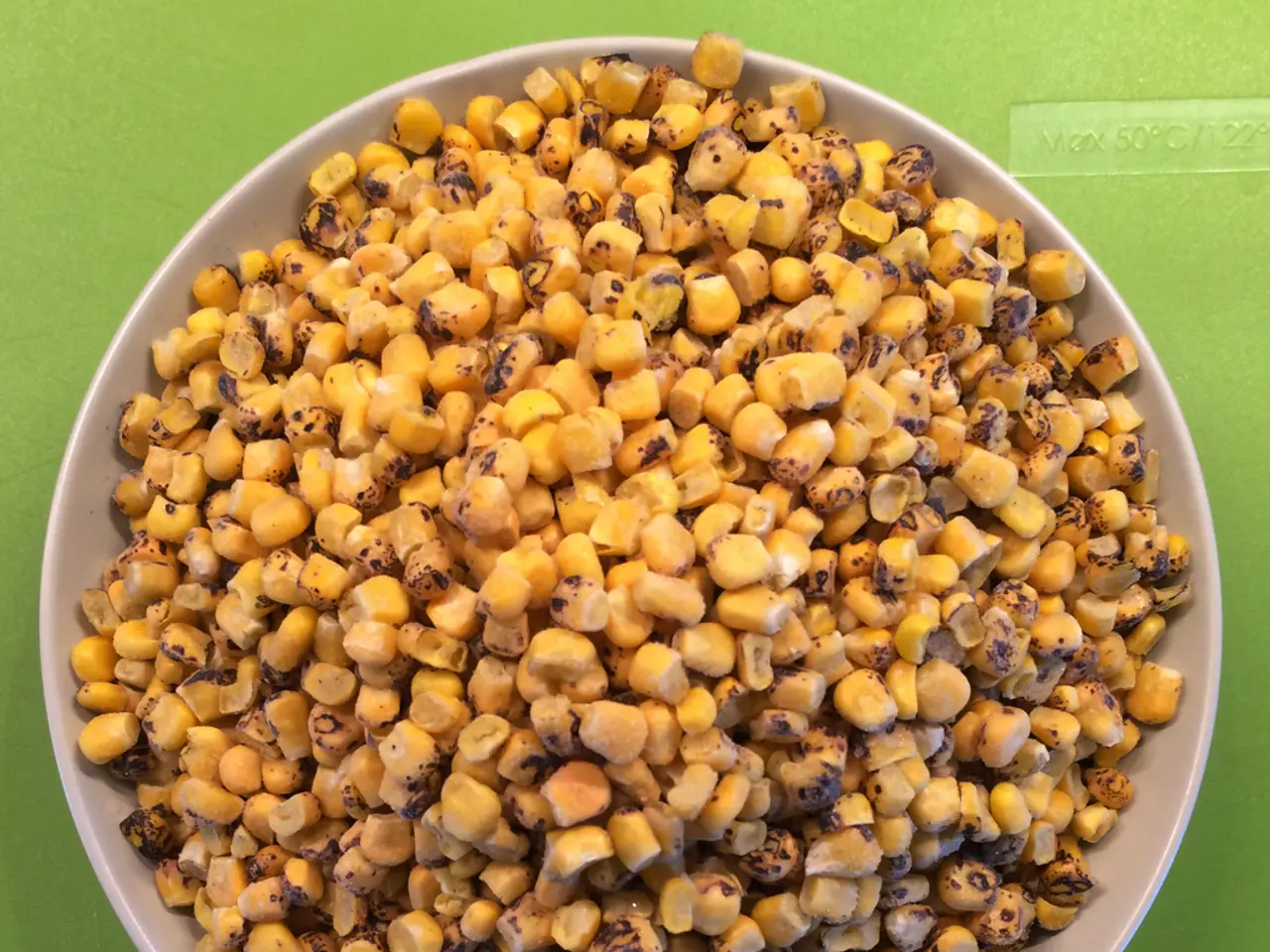
The ethanol blending program has escalated maize prices and expanded maize sowing area sharply, as farmers respond to higher demand from ethanol producers. While this benefits farmers growing maize, it has created cost pressures on small poultry farmers, as maize constitutes a major component of poultry feed, eroding their profits.
The government has supported ethanol distilleries extensively, injecting over Rs. 1.18 lakh crore directly to farmers, mainly maize growers, strengthening rural incomes but also impacting food prices. This has led to concerns about food-versus-fuel competition, as food crop diversion for fuel can elevate food prices and jeopardize food security.
Poultry farmers and feed manufacturers are urging the Indian government to increase maize cultivation and restrict its use in ethanol production. They argue that this would help stabilize feed prices and protect their profit margins. However, the government's shift towards second-generation (2G) ethanol, produced from agricultural waste, could offer a solution to these challenges.
2G ethanol uses crop residues and non-food biomass, unlike the majority of current biofuels which are made from food crops like maize. If 2G ethanol becomes commercially viable, it could help India meet its 20% ethanol target without negatively impacting rural communities and small farmers.
The program underscores a complex interplay between energy policy, agricultural markets, and food security that requires careful balancing. In the same decade, blending ethanol fuel helped avoid 54.4 million metric tonnes of planet-heating carbon dioxide emissions. However, the transition to 2G ethanol remains slow due to lack of adequate pricing incentives for 2G ethanol producers.
The small town of Ghazipur, located along the Ganges river in north India, is experiencing a decrease in egg production among free-range hens due to a 40% increase in feed prices. As the biofuel program continues to expand, it remains to be seen how the government will navigate these competing interests to ensure food security, rural development, and energy independence.
References:
- Thomson Reuters Foundation
- IndiaSpend
- The Hindu
- Financial Express
- Down To Earth
- The shift towards second-generation (2G) ethanol, produced from agricultural waste, could alleviate the cost pressures on small poultry farmers and feed manufacturers by reducing the competition for maize in the market.
- To meet its 20% ethanol target, India could adopt 2G ethanol production, which uses crop residues and non-food biomass, potentially minimizing the negative impact on rural communities and small farmers.
- The increasing use of maize for ethanol production has raised concerns about food-versus-fuel competition and its potential impact on food security, highlighting the need for appropriate pricing incentives for 2G ethanol producers.




