
US Products Still Selling Strong in Germany, Trade Conflict Unaffecting Consumers...For Now
- *
Increase in U.S. product sales decline speculated due to Trump's administration impact. - Consumers Reducing Purchases of American Goods Due to Trump Policies
Contrary to popular belief, the ongoing trade conflict between the US and Germany isn't deterring consumers from snapping up US brands just yet. According to market researcher NIQ, there's been no noticeable shift in buying habits so far. A closer look at 25 food segments - from chocolate to whiskey - reveals no significant drop in the demand for US brands compared to their German counterparts.
David Georgi, NIQ's consumer expert, attributes this surprising outcome to consumers feeling only moral, but no financial pressure to give up their favorite products. The yet-to-be-implemented tariffs haven't caused prices to spike, and US goods remain as enticing as ever. However, if prices were to skyrocket, consumer behavior could change dramatically. "Germans love a good bargain, and price is a crucial factor in their buying decisions," says Georgi.
Interestingly, many popular US products are manufacturers overseas, especially in Europe.
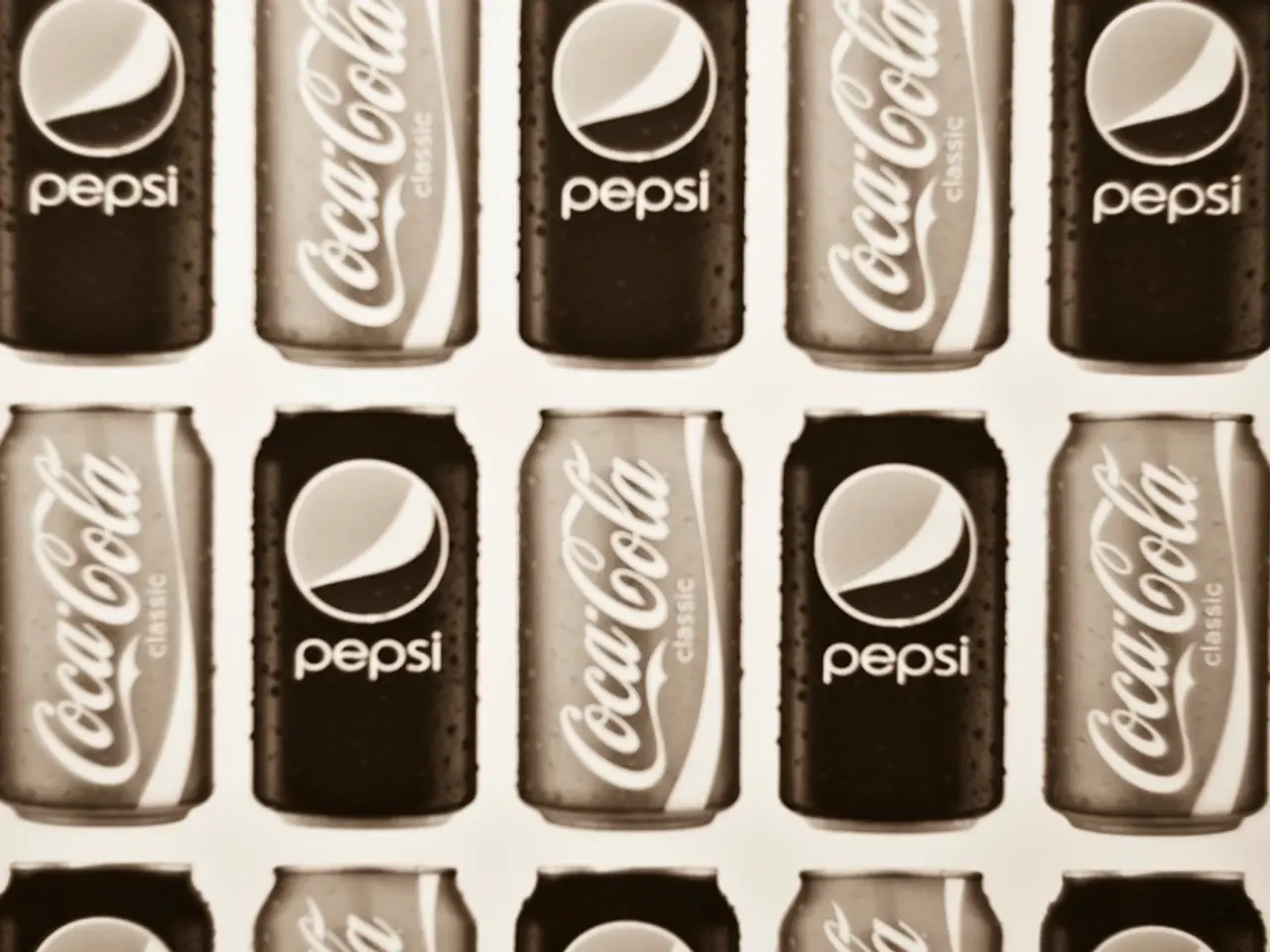
March saw a wave of consumers hinting at boycotting US goods due to the trade dispute in a YouGov survey. Nearly half (53%) of those polled said they'd "definitely" or "probably" forgo such products. However, experts point to other factors at play. Many go-to US brands like Coca-Cola are shielded from tariffs because they're produced in Europe. Moreover, many shoppers remain oblivious to the brand owners' nationalities. Special offers and discounts exert a powerful influence on purchasing decisions.
The trade initiative between the US and Europe has been a rollercoaster ride, with President Donald Trump delaying planned tariffs on EU imports until July 9. The EU reciprocated by temporarily suspending counter-tariffs on US products. Symptomatic of the ongoing negotiations, consumer expectations are running high. According to a recent YouGov survey, a majority of Germans expect prices to rise as a result of the new tariffs.
- Trade Conflict
- Germany
- Consumer Behavior
- Tariffs
- Donald Trump
- European Manufacturing
- YouGov
- Boycotts
What About the Economic Impact?
Economic data suggests that, while the trade conflict may have minor impacts on certain sectors, it hasn't yet caused a significant slowdown in consumer spending on US brands. The German economy recorded a 0.4% GDP growth in early 2025, largely fueled by companies ramping up exports to the US before anticipated tariff hikes.
The anticipated tariffs have dented Germany's growth outlook slightly, trimming projected growth by 0.1 to 0.3 percentage points in 2025-2026. However, both the manufacturing and chemical sectors are expected to recover if trade tensions simmer down and don't escalate further.
While trade policy uncertainty lingers, and supply chain volatility persists globally, there's no clear indication that consumer purchasing patterns have shifted dramatically. It appears that the trade conflict has impacted industrial production competitiveness and growth forecasts more than direct consumer purchase behavior.
- The ongoing trade conflict between the US and Germany has not significantly affected the demand for US brands in Germany, as stated by NIQ, a market researcher.
- Despite a wave of consumers hinting at boycotting US goods, many popular US products are manufactured in Europe, which may contribute to consumers' continue purchasing these products.
- According to YouGov, a majority of Germans expect prices to rise as a result of the new tariffs, but the economic data suggests that the trade conflict has not caused a significant slowdown in consumer spending on US brands.




